Traveller’s Guide to Ethnobotany: Botanical Highlights Around the World
March 22, 2026
Travel today is increasingly seen not just as a way to visit new places, but as an opportunity to understand cultures more deeply through their relationship with nature. One of the most engaging perspectives for such exploration is Ethnobotany—a field that examines how plants are woven into the daily life, traditions, and worldviews of different societies.
For the traveller, ethnobotany offers a unique lens: plants are no longer just background scenery but become keys to understanding local culture. Participating in festivals, visiting sacred gardens, or engaging with traditional practices reveals how nature and human life form a unified cultural space.
Ethnobotanical Travel as Cultural Experience
Ethnobotanical tourism differs from conventional travel in that it focuses not only on natural objects but also on their cultural meanings. The same plant can carry entirely different significance depending on the region—it may symbolize life, serve as a ritual tool, or form the basis of everyday subsistence.
Such journeys require attentiveness to context. It is not enough to observe a plant; it is essential to understand how it is used, what stories surround it, and what role it plays in local communities.
For example, visiting rice terraces in Asia is not just an agricultural experience but an immersion in traditions where rice cultivation is tied to rituals and ideas of harmony with nature.
Botanical Regions and Their Cultural Significance
The world offers a wide range of ethnobotanical destinations, each revealing unique relationships between people and plants.
In South America, the Amazon Rainforest stands out as a region where plants play a central role in both medicine and spiritual practices. Visitors can encounter traditional knowledge systems in which the forest is seen not as a resource, but as a living, meaningful entity.
In Asia, Kyoto is renowned for its gardens, where plants are integral to philosophical ideas. Japanese gardens reflect balance, minimalism, and contemplation; every element contributes to a carefully constructed space for reflection.
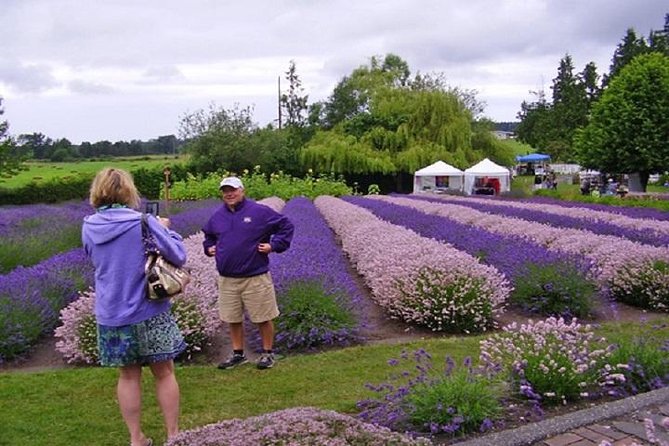
In Europe, Provence is famous for its lavender fields. Here, a plant becomes a regional symbol, embedded in both the economy and cultural identity.
In Africa, Madagascar offers extraordinary biodiversity, where many endemic plants hold sacred significance and are used in traditional medicine.
 Festivals and Plant-Based Traditions
In many cultures, plants are at the center of festivals and rituals, offering travellers opportunities not only to observe but to participate.
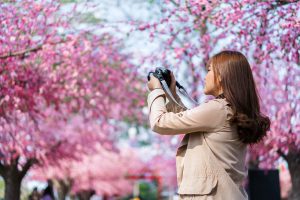
One of the most well-known examples is Hanami in Japan—the tradition of viewing cherry blossoms. This is not merely an aesthetic event, but a cultural practice connected to the idea of life’s transience.
In Europe, travellers can experience the Lavender Festival, celebrating the lavender harvest. It combines agriculture, gastronomy, and local traditions.
In India, plants play a significant role in religious rituals, where specific species symbolize purity, prosperity, and spiritual power.
Such festivals demonstrate how plants become part of collective experience and cultural memory.
Practical Guidance for the Traveller
Ethnobotanical travel requires awareness and respect for local traditions. Many practices have sacred meanings and should not be approached superficially.
It is helpful to learn about the cultural context in advance to avoid misunderstandings. Supporting sustainable tourism is also essential, ensuring that both natural ecosystems and cultural traditions are preserved.
Engaging with local communities is especially valuable. Through dialogue, travellers gain deeper insights into the meanings of plants and their roles in everyday life.
Key Ethnobotanical Destinations
| Region | Plant/Object | Cultural Significance | Traveller Experience |
|---|---|---|---|
| Amazon Rainforest | Tropical plants | Medicine and spiritual practices | Guided tours with local experts |
| Kyoto | Garden plants | Philosophy of harmony | Visiting temple gardens |
| Provence | Lavender | Regional identity and economy | Participating in festivals |
| Madagascar | Endemic species | Traditional medicine | Ecotourism and exploration |
| India | Sacred plants | Religious symbolism | Participation in rituals |
This table illustrates the diversity of ways in which plants are integrated into cultural systems across the world.
Key Takeaways
- Ethnobotany provides a powerful framework for understanding cultures through plants.
- Ethnobotanical travel connects natural and cultural experiences.
- Festivals and rituals offer deeper insight into plant symbolism.
- Respect for local traditions is essential for meaningful travel.
- Different regions demonstrate unique human–nature relationships.
Conclusion
An ethnobotanical approach to travel allows us to see the world differently. Plants are no longer just elements of the landscape—they become carriers of meaning, history, and cultural identity.
Such journeys require attentiveness and openness, but they reward travellers with a deeper understanding of the world. Through plants, one can observe how culture and nature intertwine, shaping unique ways of living and thinking.
Ultimately, ethnobotanical travel is not only a way to expand geographical horizons but also an opportunity to better understand the relationship between humans and the natural environment.