The Black Tulip: Between Genetic Rarity and Human Obsession
December 9, 2025
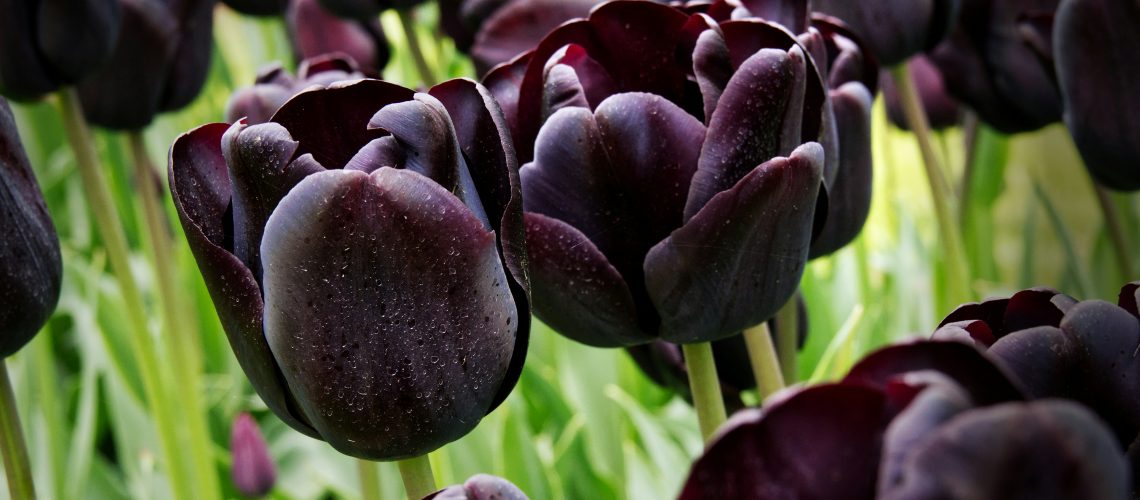
The allure of the black tulip has captivated gardeners, collectors, and botanists for centuries. Its near-mythical status stems from both its striking appearance and the challenge of cultivating it. Understanding the black tulip requires exploring the plant’s genetics, horticultural history, and the human fascination with rarity and perfection. This exploration reveals not just the science of a flower, but also the cultural and emotional forces that shape our relationship with nature.
The Genetics Behind the Black Tulip
The black tulip is not naturally black but exhibits a very deep purple or maroon hue that can appear nearly black under certain lighting conditions. Its color is the result of complex genetic interactions.
Anthocyanins and Petal Pigmentation
Anthocyanins are pigments responsible for red, purple, and blue colors in plants. In tulips, a high concentration of anthocyanins combined with low levels of other pigments produces the dark, velvety shades associated with black tulips.
Selective Breeding
True black tulips are often the result of meticulous hybridization. Breeders cross dark-red and purple tulip varieties to increase pigment density, striving for a uniform, intensely dark flower. This process requires patience and careful genetic selection, as small variations can result in lighter or uneven coloration.
Genetic Rarity
The genetic combination that produces near-black petals is exceptionally rare in nature. Even with controlled breeding, achieving a consistent black tulip is a challenge, adding to the flower’s mystique and market value.
Historical Fascination and Cultural Impact
The black tulip’s story extends beyond horticulture into history, literature, and economics.
The Tulip Mania of the 17th Century
In the 1600s, the Netherlands experienced “tulip mania,” a period when tulip bulbs became symbols of wealth and social status. While true black tulips were extremely rare, the idea of a perfect dark tulip drove prices and obsession among collectors.
Literary Symbolism
Alexandre Dumas’ novel The Black Tulip (1850) immortalized the flower as a symbol of beauty, perseverance, and the pursuit of perfection. The narrative elevated the black tulip beyond horticulture, embedding it in cultural imagination.
Modern Collecting and Horticulture
Today, black tulips continue to attract collectors. Breeders compete to produce the deepest shades, and enthusiasts seek bulbs that offer both aesthetic perfection and historical resonance. This ongoing fascination illustrates how humans project meaning onto rare natural phenomena.
Botanical Characteristics and Growth Requirements
Understanding the biology of the black tulip is essential for both cultivation and conservation.
Bulb Structure and Dormancy
Like other tulips, black tulips grow from bulbs, which store nutrients and support survival through dormant periods. Proper dormancy is critical to ensure healthy flowering in the following season.
Soil and Climate Requirements
Black tulips thrive in well-draining, nutrient-rich soil and require a period of cold dormancy. They are sensitive to excessive moisture and fungal diseases, making cultivation a precise art. The challenge of replicating their native climatic conditions adds to their rarity in gardens.
Flowering and Longevity
Black tulips typically bloom in spring, producing single, upright flowers. Their petals are often velvety and resistant to minor damage, but environmental stress can affect color intensity. The bloom period is short, heightening the sense of fleeting perfection.
Horticultural Challenges and Techniques
Producing black tulips is both an art and a science.
Breeding Strategies
Hybridization involves careful selection of parent plants with desired pigmentation traits. Success may take several generations, and even then, environmental factors such as temperature and sunlight influence the final color.
Soil Management and Fertilization
Optimal growth requires soil that mimics native conditions: loose, well-draining, and moderately fertile. Excess nitrogen can result in taller stems but diluted petal color, highlighting the delicate balance required in cultivation.
Disease and Pest Control
Black tulips are susceptible to common tulip diseases, including fungal infections and viral disorders. Integrated pest management and vigilant care are essential for maintaining plant health without compromising aesthetic quality.
Symbolism and Human Obsession
The black tulip’s allure is not purely horticultural; it resonates on psychological and cultural levels.
Rarity and Value
Humans are naturally drawn to rarity. The black tulip exemplifies how scarcity, difficulty of cultivation, and aesthetic appeal combine to create a symbol of prestige and desire.
Beauty and Perfection
The pursuit of the perfect black tulip mirrors broader human ambitions: the search for beauty, mastery over nature, and the fulfillment derived from patience and skill.
Cultural Continuity
From 17th-century Europe to modern gardens, the black tulip has maintained its symbolic power. It serves as a tangible link between history, literature, and contemporary horticultural practice.
Conservation and Ethical Considerations
Preserving the integrity and availability of black tulips involves both environmental and ethical strategies.
Sustainable Breeding
Encouraging propagation through controlled breeding rather than wild collection ensures genetic diversity and reduces pressure on natural populations.
Genetic Preservation
Maintaining diverse genetic lines helps prevent loss of pigmentation traits and preserves resilience against diseases, ensuring the continuity of the black tulip for future generations.
Education and Awareness
Promoting understanding of the plant’s biology and history fosters responsible cultivation and appreciation, preventing exploitation for purely commercial gain.
Broader Lessons from the Black Tulip
The black tulip offers insights into the intersection of science, culture, and human desire.
Patience and Precision
Its cultivation teaches that perfection often requires meticulous care, patience, and respect for natural processes.
Human-Nature Interaction
The black tulip illustrates how humans engage with nature not only for utility but for aesthetic and symbolic fulfillment.
Evolution and Hybridization
Studying the black tulip’s genetic makeup sheds light on plant evolution, pigmentation mechanisms, and the potential of selective breeding to achieve extraordinary traits.
Key Takeaways
-
The black tulip’s nearly black petals result from rare genetic combinations and high anthocyanin concentration.
-
Selective breeding has been essential to achieve consistent dark coloration.
-
Historically, black tulips inspired obsession during tulip mania and remain symbols of rarity and prestige.
-
Cultivation requires precise soil, climate, and dormancy conditions to ensure optimal flowering.
-
Disease management and careful hybridization are critical to maintaining quality and color.
-
Cultural fascination with black tulips reflects human attraction to rarity, beauty, and perfection.
-
Sustainable breeding and genetic preservation are key to future conservation.
-
Studying black tulips offers broader lessons about evolution, aesthetics, and human engagement with nature.
FAQ
Why are black tulips so rare?
Their nearly black color requires specific genetic combinations and high pigment density, which are uncommon in nature.
Can black tulips be grown at home?
Yes, with careful attention to soil, water, sunlight, and dormancy requirements, they can thrive in gardens or containers.
What historical events are associated with black tulips?
The 17th-century tulip mania in the Netherlands elevated rare tulips, including dark varieties, to symbols of wealth and status.
Are black tulips truly black?
No; they appear nearly black but are typically very deep purple or maroon, which appears black under certain light conditions.
How can black tulips be propagated?
Propagation is usually done through bulbs or seeds, with selective breeding necessary to maintain desired pigmentation traits.
Conclusion
The black tulip represents the convergence of nature’s genetic rarity and human fascination with perfection. Its deep, velvety petals reflect not only biological processes but also centuries of cultural and aesthetic significance. Cultivating and appreciating black tulips requires patience, precision, and respect for natural cycles. Beyond their horticultural value, these flowers serve as enduring symbols of beauty, rarity, and the human desire to connect with and celebrate the extraordinary wonders of the natural world.