The Apple Through the Ages: From Garden Tree to Human Symbol
February 20, 2026
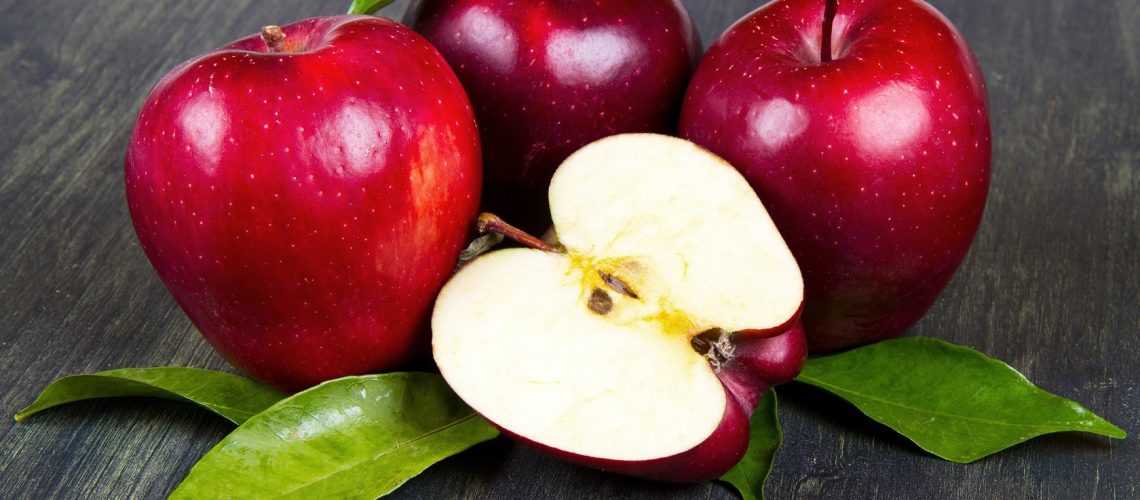
The apple is not only a tasty and nutritious fruit but also a remarkable plant, playing an important role in agriculture and culture. It belongs to the genus Malus in the rose family and includes thousands of varieties with different shapes, colors, and flavors. Apple trees can live for decades, and their fruits retain freshness and aroma for a long time. They are rich in vitamins, fiber, and minerals, making them valuable for both nutrition and medicine. Garden apple trees have long been part of the landscapes of Europe, Asia, and America, and decorative varieties adorn parks and private gardens.
Beyond its biological significance, the apple has become one of the most recognizable symbols among all plants. Its image appears in myths, religions, literature, fairy tales, and art. The apple embodies beauty, temptation, knowledge, immortality, moral choice, and risk. This multi-layered symbolism makes the apple a unique cultural phenomenon, understandable to people across different eras and societies.
The Apple in Myths and Religions
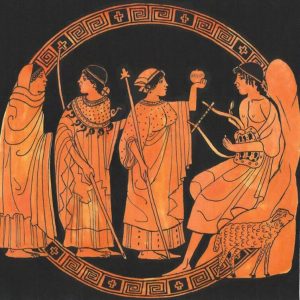 The apple as a symbol appears in legends across various cultures, from Europe to Scandinavia.
Biblical Tradition
In Christian tradition, the apple is associated with the Tree of Knowledge of Good and Evil. According to the story, Adam and Eve ate the fruit from the tree, violating God’s command, and were expelled from Eden. This image became deeply rooted in Western culture, even though the Bible does not specify that the fruit was an apple. The Latin word malum (“fruit”) is phonetically similar to malum (“evil”), reinforcing the association of the apple with temptation and moral choice.
Here, the apple symbolizes not just the forbidden fruit but also the human capacity to take responsibility for one’s actions. It became an emblem of choice and knowledge, the consequences of which must be borne.
Greek Mythology
In Greek mythology, the apple played a central role in legends about gods and heroes. The story of the “golden apple of discord” is a prime example. Eris, the goddess of discord, was not invited to a wedding and threw a golden apple inscribed “To the Fairest” among three goddesses — Athena, Hera, and Aphrodite. The dispute over the apple led to Paris’s judgment and ultimately contributed to the Trojan War.
Another motif is the Apples of the Hesperides, granting immortality. They grew in a garden at the edge of the world, guarded by dragons. This myth emphasizes the apple as a desired, magical, and unattainable object, symbolizing the human pursuit of eternal life and ideal beauty.
Norse Mythology
In Norse mythology, apples are also linked to longevity and health. Goddesses Iðunn and Frigg kept golden apples that preserved the youth of the gods. This motif demonstrates the universal perception of apples as a source of strength, youth, and vitality.
The Apple in Fairy Tales and Legends
The apple often functions as a magical object, a trial, or a symbol of moral choice.
In the German fairy tale Snow White, the apple is the instrument of the wicked queen’s scheme. Red, shiny, and seemingly flawless, it symbolizes temptation and danger disguised as attractiveness.
In the legend of William Tell, the apple also plays a central role. According to the story, the Swiss hero was forced to shoot an apple off his son’s head with a crossbow to prove his skill and courage. This episode became a symbol of bravery, precision, and moral responsibility and later inspired Rossini’s opera William Tell. In this context, the apple represents not only a physical object of trial but also a symbol of personal accountability and overcoming danger.
In English and Celtic folktales, apples may grant knowledge, strength, or access to otherworldly realms. Heroes often face trials that involve choosing the correct fruit, highlighting the apple’s association with testing character and moral integrity.
Apples also appear in folk parables as symbols of abundance and prosperity. They may fall from the sky, grow in unusual places, or appear in magical gardens. This reinforces the apple’s mystical qualities and its role as a mediator between the human and supernatural worlds.
The Apple in Art and Culture
Art has long used the apple as a visual and metaphorical element, expressing philosophical, moral, and aesthetic ideas.
Painting
In European painting, the apple appears in biblical scenes and still lifes. Renaissance artists depicted Adam and Eve with an apple, emphasizing the moment of temptation and moral choice. In 17th-century Dutch still lifes, apples are combined with other fruits and flowers, symbolizing the transience of life, beauty, and pleasure.
Literature and Fairy Tales
In literature and fairy tales, the apple is a symbol of temptation, reward, or trial. It can be a magical object granting knowledge or overcoming obstacles or a symbol of temptation to resist. These motifs are universal and occur across various cultural traditions.
Modern Culture
In modern culture, the apple retains its multifaceted symbolism. It has become a symbol of technological progress (the Apple company logo), beauty, and desire. In popular culture, New York City earned the nickname “The Big Apple,” reflecting the idea of the city as a center of opportunity, alluring and desirable, much like the apple in legends. In photography, installations, and performance art, the apple is used as a cultural code linking mythology, fairy tales, and contemporary life.
The Apple in History and Science
The apple as a real plant has played a significant role in history, economics, and science.
Medicine and Health
Apples have long been considered beneficial for health. Ancient physicians and medieval herbalists recommended apples to strengthen the body, improve digestion, and maintain energy. In the Middle Ages, apples were used not only as food but also in medicinal infusions and syrups.
Historical Curiosities
The legend of Isaac Newton being inspired by a falling apple led to his thoughts on gravity. This story highlights how an ordinary fruit could inspire groundbreaking scientific ideas.
Apples were also used in political and cultural allegories. In 17th–18th century Europe, golden and red apples symbolized luxury and power, often appearing on royal tables and as gifts for the nobility, emphasizing the recipient’s status.
Varieties and Cultural Diversity
Today, there are more than 7,000 apple varieties. They differ in color, flavor, shape, shelf life, and decorative qualities. Some varieties were historically rare and valuable, used as gifts for nobility or status symbols. This diversity allows apples to occupy an important place in culture, cuisine, and art, combining practical value with symbolic significance.
Conclusion
The apple unites physical and symbolic dimensions: it is both a real plant important for health and nutrition and one of the most recognizable symbols among all plants. From the biblical fruit of knowledge to the golden apples of the Hesperides, from fairy tales and legends like the William Tell episode to modern New York City as “The Big Apple,” the apple retains its multi-layered symbolism, evoking associations with beauty, temptation, knowledge, strength, and moral choice.
Studying the apple as a symbol allows for a deeper understanding of cultural codes, philosophical and moral ideas, and the emotional experiences of people across eras. A simple tree and its fruit have become a powerful carrier of human values, aesthetic ideas, and cultural heritage, demonstrating that plants can be a source not only of sustenance but also of symbols, inspiration, and historical meaning.