Poison and Power: The Deadly Beauty of Toxic Plants
February 20, 2026
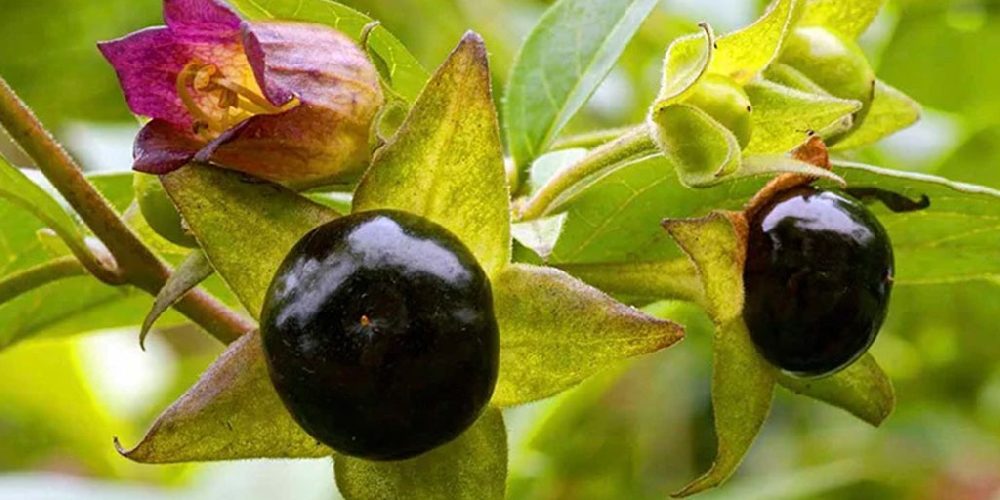
Toxic plants have always evoked both admiration and fear in humans. Their vivid colors, unusual shapes, and sometimes pleasant scents attract attention, yet their hidden dangers make them objects of caution. From ancient times to the present day, toxic plants have played roles in court intrigues, folk and official medicine, alchemy, and even legal proceedings. These plants demonstrate a unique duality: lethal threat exists alongside medicinal potential, while beauty and danger form a complex cultural, scientific, and historical connection with humans.
Understanding toxic plants requires a comprehensive approach: studying their biology, historical and cultural use, notable court intrigues and legal cases, social perceptions, and their contribution to the development of medicine.
Natural Toxicity: Plants’ Biological Defense
Toxicity in plants is not accidental but a result of millions of years of evolution. Poisonous substances serve as protection against herbivores, fungi, bacteria, and insects. The chemical compounds produced by plants can affect the nervous system, heart, circulatory system, or digestive tract, depending on molecular structure, concentration, and the route of exposure.
For example, belladonna (Atropa belladonna) contains alkaloids such as atropine and scopolamine that disrupt nerve signal transmission. These compounds protect the plant from damage, but in humans, high doses can cause respiratory paralysis and death.
The table below highlights some plants historically used as poisons or medicines, their toxic compounds, and effects on humans:
| Plant | Main Toxic Compounds | Effect on Humans |
|---|---|---|
| Belladonna | Atropine, Scopolamine | Hallucinations, pupil dilation, paralysis |
| Aconite | Aconitine | Heart arrhythmias, convulsions, cardiac arrest |
| Foxglove | Cardiac glycosides (digitalis) | Regulates heart rate, overdose risk |
| Oleander | Glycosides | Vomiting, arrhythmia, heart failure |
| Cyclamen | Cyclamin | Vomiting, diarrhea, toxicity |
| Yew | Taxine | Paralysis, heart risk |
| Datura | Scopolamine, Hyoscyamine | Euphoria, confusion, risk of hallucinations |
This table demonstrates that the same chemical compounds can be lethal in high doses and medicinal in controlled amounts. This duality makes toxic plants both fascinating and dangerous objects of study.
Intrigue and Power: Plants as Political Tools
Throughout history, toxic plants were frequently used as instruments of political struggle. In various cultures and eras, poisons were applied to eliminate enemies, rivals, or even family members.
 Ancient World: From Athens to Rome
One of the most famous examples is the trial of Socrates in Athens (399 BCE). While belladonna is not mentioned, the poison hemlock (Conium maculatum) was used for his execution. Socrates drank a hemlock infusion under court order, making this an early documented case of ritualized use of toxic plants in legal practice.
In ancient Rome, toxic plants were employed in court intrigues. Emperor Claudius may have been poisoned by mushrooms on the orders of his wife Agrippina to secure the throne for her son Nero. While toxic mushrooms are not plants, the practice extended to plant-based poisons like belladonna and aconite, suspected in several court deaths.
Aconite was particularly dangerous due to its potency and fast action. Historical records suggest its use in imperial China and India, where court intrigues frequently ended in poisoning, highlighting the strategic use of toxic plants in consolidating power.
Middle Ages and Early Modern Period: Royal Courts
During the Middle Ages in Europe, knowledge of toxic plants was widespread among alchemists and herbalists. This knowledge became a political tool: mastering poisonous extracts made someone both feared and influential.
For instance, in 16th-century France, Countess Bussy, a favorite of King Henry IV, was accused of poisoning a rival using toxic plant infusions. Although direct evidence is scarce, chronicles from the period repeatedly reference the use of toxic plants in court intrigues.
In 16th–17th century England, the Blount Sisters cultivated and cataloged numerous poisonous plants. Even though they were not accused of crimes, the combination of botanical knowledge and dangerous plants instilled both fear and respect.
Eastern Empires
In the Ottoman Empire and Persia, knowledge of toxic plants was considered part of the education of the elite. Court herbalists understood which plants were dangerous and which could be medicinal. At the same time, such knowledge was used to safeguard rulers’ health or eliminate threats.
Arabic treatises from the 11th–12th centuries describe methods of preparing toxic infusions from belladonna, datura, and oleander. By that time, botanical knowledge had already been systematized and applied not only in medicine but also in political strategy.
 Toxicity and Medicine: From Poison to Cure
The paradox of toxic plants is that many are sources of highly effective medicines. Deep knowledge of dosage, preparation, and biochemical effects transformed poisonous plants into pharmacological foundations.
Cardiac Medications and Foxglove
Foxglove (Digitalis) is a motivating example. In the 19th century, William Withering investigated the effects of cardiac glycosides from foxglove on heart function. He discovered that these compounds improve heartbeat in patients with heart failure.
Cardiac glycosides became standard therapy for heart conditions, but the margin between a therapeutic and lethal dose is very narrow, emphasizing the plant’s dual nature: a cure and a potential poison.
Belladonna: From Cosmetic to Medicine
Belladonna received its name from Italian aristocratic women during the Renaissance (bella donna, meaning “beautiful woman”), who used its extract to dilate pupils for aesthetic purposes. Yet the effect is medically significant: its alkaloids are used in ophthalmology to relieve muscle spasms and dilate pupils during examinations.
Atropine and scopolamine are also applied to alleviate intestinal spasms and ease asthma bronchospasms. Again, these substances demonstrate duality: beneficial in small doses, dangerous in large ones.
Modern Research
Today, toxic plants are studied as potential sources of new medicines:
-
Aconite alkaloids are being investigated for anti-cancer properties.
-
Oleander extracts are studied for immune modulation and anti-inflammatory effects.
-
Cyclamin and other alkaloids are tested for antibacterial activity.
This demonstrates that even deadly compounds can become therapeutic under controlled conditions.
Cultural and Psychological Significance
Toxic plants carry rich cultural meanings. In art, folklore, and literature, they symbolize danger, mystery, power, and forbidden knowledge. They appear in myths, legends, and stories from ancient epics to modern novels.
For example, Celtic legends associate poisonous flowers with the threshold between the living and the dead. In medieval Europe, foxglove and belladonna were linked with witches and alchemists, symbolizing secret knowledge and hidden power.
In Japanese culture, toxic plants like aconite represent deadly beauty and fateful danger. In traditional Chinese medicine, knowledge of poisonous plants was part of understanding the balance of yin and yang, using dangerous properties to restore bodily equilibrium.
For gardeners and collectors today, toxic plants remain prized for their aesthetic appeal and historical significance, combining science, culture, and visual beauty in a unique way.
Key Takeaways
-
Plant toxicity evolved as a defense mechanism against herbivores and environmental threats.
-
Toxic compounds can be lethal in large doses and medicinal in small, controlled amounts.
-
Historically, toxic plants were used in political intrigue, court conspiracies, and symbolized power.
-
Modern medicine utilizes toxic plants for cardiac therapy, pain relief, and potential anti-cancer drugs.
-
Cultural perception of toxic plants reflects their dual nature: beauty, danger, power, and mystery.
Conclusion
Toxic plants exemplify the fascinating duality of nature: simultaneously deadly and healing, dangerous and beautiful. Their chemical properties evolved over millions of years as defense mechanisms, yet humans have learned to harness these properties for intrigue, medicine, and cultural symbolism.
Historical examples of intrigues and legal cases show that knowledge of plant toxins could become social capital: it could save lives, end them, or consolidate power. Today, these plants continue to inspire researchers in the quest for new therapeutic compounds, showing that even the most dangerous species can hold immense value under careful study.
The deadly beauty of toxic plants reminds us to respect nature’s power, study its patterns, and use its resources wisely and responsibly. They reflect the constant human pursuit of knowledge—even at the border between life and death.