Frankincense, Myrrh, and Copal: Sacred Resins Across Civilizations
February 20, 2026
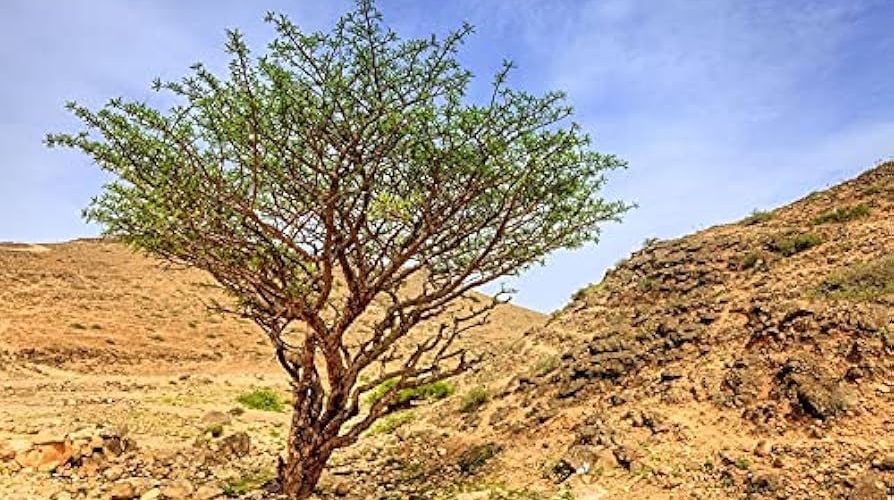
Frankincense, myrrh, and copal are unique plant resins that have influenced economy, religious rituals, and cultural practices for thousands of years. Studying them allows us to understand how plants and humans have been intertwined throughout history. These resins served not only as sources of spiritual inspiration but also as tools for medicine, symbols of wealth and power, and objects of international trade.
This topic is valuable for historians, botanists, anthropologists, and cultural scholars. It reveals the connection between plant biology, economics, religion, and culture, demonstrating how natural resources shape human history.
Botanical Origins and Chemical Composition
Frankincense (Boswellia)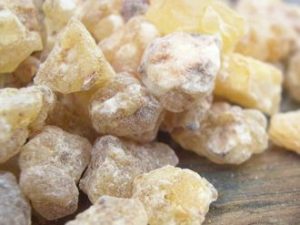
Frankincense is obtained from trees of the Boswellia genus, which grow in Arabia, East Africa, and India. These trees have narrow bark and small leaves. When the bark is cut, aromatic resin oozes out, hardens in the air, and becomes ready for use.
The chemical composition includes terpenes, especially α- and β-pinene, which produce a light, resinous aroma when burned. Frankincense has antiseptic and anti-inflammatory properties, making it valuable in rituals, meditation, and traditional medicine.
Myrrh (Commiphora)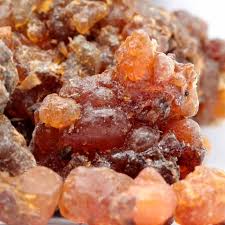
Myrrh is extracted from shrubs of the Commiphora genus, native to Arabia, East Africa, and the Arabian Peninsula. The resin is obtained through similar bark cuts. Its main components are terpenes and resin acids, including commiphoric acid, giving it a strong, long-lasting aroma.
Myrrh was used as an antiseptic, embalming agent in Ancient Egypt, and for pain and inflammation relief. Its aroma is more intense and slightly bitter compared to frankincense, determining different ritualistic and medicinal applications.
Copal (Protium and Bursera)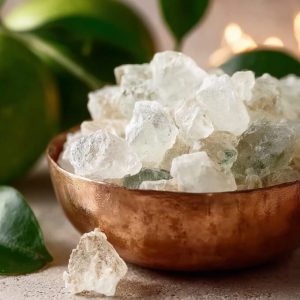
Copal is a resin collected from Protium and Bursera trees, native to Central and South America. Indigenous peoples used it for sacrificial and cleansing rituals, similar to how frankincense was used in East Africa and the Middle East.
Copal oozes as a soft resin that, when burned, produces a sweet, slightly spicy fragrance. It contains terpenes, including α- and β-pinene, and has antiseptic and calming properties.
Table: Comparison of Frankincense, Myrrh, and Copal
| Property | Frankincense (Boswellia) | Myrrh (Commiphora) | Copal (Protium/Bursera) |
|---|---|---|---|
| Origin | Arabia, East Africa, India | Arabia, East Africa | Central and South America |
| Main Components | Terpenes (α- and β-pinene) | Terpenes, resin acids | Terpenes, resin acids |
| Aroma | Sweet, light, resinous | Bitter, strong, long-lasting | Sweet, slightly spicy, soft |
| Primary Uses | Rituals, meditation, medicine | Rituals, embalming, medicine | Rituals, purification, medicine |
| Collection Method | Bark incision | Bark incision | Bark incision or natural exudation |
| Historical Significance | Symbol of divinity and spirituality | Symbol of protection, healing, and wealth | Purification, sacrifices, spiritual connection |
Historical and Cultural Significance
Trade and Economy
Frankincense, myrrh, and copal were strategically important commodities. Frankincense and myrrh shaped trade routes between Africa, the Arabian Peninsula, and the Mediterranean. Copal played a similar role in trade among the peoples of Central and South America.
These resins were highly valued: Egyptians used myrrh for embalming, frankincense for temple rituals, and indigenous peoples of the Americas used copal for sacred ceremonies. Trade in resins often determined political and economic alliances.
Religious Rituals
In Christianity and Judaism, frankincense and myrrh symbolize divine presence, purification, and sacrifice. Myrrh is mentioned as a gift given to the infant Jesus, while frankincense represents prayer and spiritual connection.
In India, frankincense is used in Hindu and Buddhist rituals for focus and spiritual purification. In Central and South America, copal was used in shamanic and religious ceremonies to cleanse spaces and participants, symbolizing connection with the spiritual world.
Art and Culture
These resins inspired artists and architects:
-
Egyptian frescoes and tombs depict resin collection scenes.
-
Roman and Byzantine temples used resins for altar incense.
-
Arab and Indian miniatures show resin harvesting and temple applications.
-
In Central America, copal appears in ceramics and ceremonial illustrations.
Resins symbolized wealth, sanctity, and magical protection, maintaining cultural significance over centuries.
Medicinal and Modern Applications
Frankincense
Frankincense was used to treat inflammation, respiratory conditions, and skin ailments. Modern research confirms its anti-inflammatory and immune-supportive effects.
Myrrh
Myrrh was used for wounds, ulcers, and toothache relief, and as an antiseptic. Current studies validate its antibacterial properties.
Copal
Copal was used for wound cleansing, anti-inflammatory purposes, and as a room fragrance. Modern research confirms its calming aroma and antiseptic benefits.
Economic Impact
Control over resin sources determined political and economic power in antiquity. In Arabia and Africa, these were frankincense and myrrh trees; in the Americas, copal trees. Resin collection required expertise and knowledge of tree biology and seasonal cycles, making it a labor-intensive and valuable process.
Table: Historical and Modern Significance of Resins
| Aspect | Frankincense | Myrrh | Copal |
|---|---|---|---|
| Primary Use | Rituals, meditation | Rituals, medicine | Rituals, purification |
| Chemical Components | Terpenes (α- and β-pinene) | Terpenes, resin acids | Terpenes, resin acids |
| Cultural Significance | Divine connection, prayer | Protection, healing, wealth | Cleansing, spiritual link |
| Trade | Arabian caravans | Africa and Middle East | Central and South America |
| Modern Applications | Aromatherapy, medicine | Cosmetics, anti-inflammatory | Aromatherapy, spiritual practice |
Key Takeaways
-
Frankincense, myrrh, and copal are ancient aromatic resins with spiritual, medicinal, and economic significance.
-
They were used in rituals, meditation, embalming, and healing practices.
-
Resin trade shaped political alliances and economic systems across civilizations.
-
Modern research confirms their medicinal properties, and their aromatic qualities continue to be used in spiritual practices.
Conclusion
Frankincense, myrrh, and copal symbolize the deep connection between humans and plants, demonstrating how natural resources have shaped economy, religion, and culture. Their botanical characteristics, chemical composition, and historical use show that resins were more than just sources of aroma—they were tools for spiritual, medical, and economic life.
Studying these resins reveals how plants influenced civilizations and continue to hold value in modern medicine, culture, and spiritual practices. Frankincense, myrrh, and copal exemplify how natural products become integral to human heritage, culture, and spirituality.