Desert Blooms After Rain: The Science of Sudden Abundance
February 24, 2026
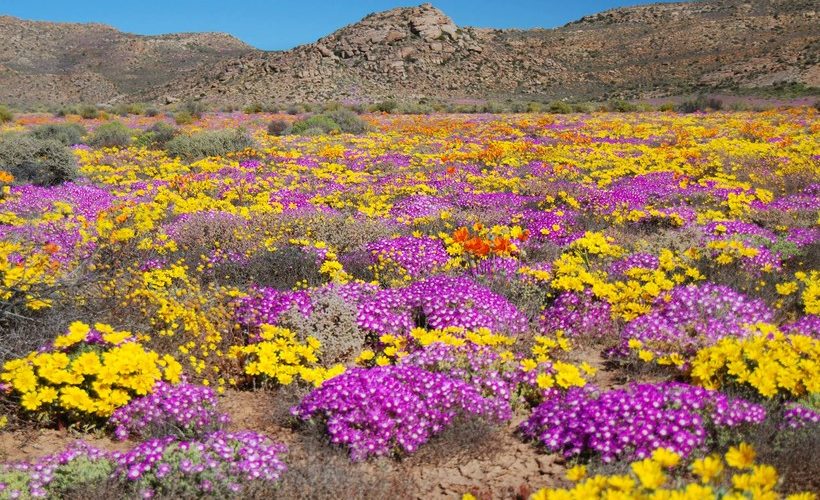
In arid regions of the world, nature adapts in astonishing ways to extreme conditions. Deserts, seemingly devoid of life, can suddenly transform into carpets of flowers and greenery after rare rains. This phenomenon, known as the “desert bloom,” draws the attention of biologists, botanists, ecologists, and travelers. It illustrates how plants have evolved to survive harsh environments, how seeds can remain dormant for decades, and how ecosystems respond to infrequent climatic events.
Studying desert blooms is valuable for understanding plant resilience, biodiversity preservation, and ecosystem adaptation to climate change. It also provides insight into the remarkable strategies that allow life to persist under extreme scarcity of water and unpredictable seasonal patterns.
Adaptations of Desert Plants
The Secret of Seed Survival
One of the key strategies of desert plants is long-term seed dormancy in the soil. Many species can remain viable for decades, waiting for favorable conditions to germinate. This ability allows desert ecosystems to survive prolonged droughts, which may last years or even decades.
Seeds in desert plants possess specialized coatings and chemical mechanisms that prevent premature germination:
-
Physiological dormancy — internal chemical inhibitors in seeds block growth until sufficient water is available. These inhibitors respond to environmental cues such as rainfall and soil moisture levels.
-
Structural protection — a hard seed coat or waxy layer prevents water absorption until conditions are optimal. This ensures that seeds do not germinate during minor, insufficient rainfall events that would lead to seedling death.
Such adaptations allow seeds to survive extreme conditions and produce synchronized germination when rainfall finally occurs, creating a stunning and dense floral display known as mass flowering.
Typical Desert Plants
Among the most notable desert plants that participate in these sudden blooms are:
-
Desert ephemerals (Ephemerophytes) — plants that live and flower for only a few weeks after rainfall. Examples include the desert primrose (Eremalche rotundifolia) and desert sand verbena (Abronia villosa) in California’s Mojave Desert. These plants have evolved to complete their life cycle rapidly, often within three to six weeks.
-
Slow-growing xerophytes — shrubs that store water and nutrients, flowering only during years of sufficient rainfall. Examples include creosote bush (Larrea tridentata) and desert sage (Salvia dorrii).
-
Cacti and succulents — species such as the Mexican barrel cactus (Ferocactus wislizeni) or Ocotillo (Fouquieria splendens) can sprout and flower after heavy rains, taking advantage of sudden moisture to reproduce.
Some desert plants, such as Desert Sand Lilies (Calochortus kennedyi), have bulbs that remain dormant underground for years, emerging only after heavy rainfall. This strategy ensures that the plant’s energy is preserved until conditions are favorable.
 Mechanisms of Sudden Blooming
The Role of Photoperiodism, Temperature, and Rainfall
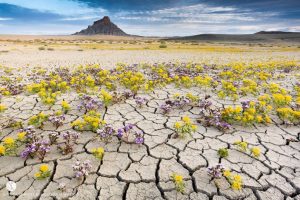
Seed germination and subsequent flowering are triggered not only by water availability but also by environmental signals such as light, temperature, and chemical cues. Desert plants have evolved to “sense” the optimal time for germination:
-
Photoperiodism — plants detect day length to synchronize flowering with periods when rainfall is likely. This ensures that germination aligns with the most favorable season.
-
Temperature cues — growth and germination are activated within specific temperature ranges. Low or high temperatures outside the optimal range can prevent germination, protecting seedlings from lethal conditions.
-
Rainfall intensity and duration — certain seeds require a threshold amount of water to break dormancy. Short, light rains may not trigger germination, while prolonged or intense rains create the ideal moisture conditions for seed sprouting.
These factors work together to ensure that desert plants do not waste energy germinating during suboptimal conditions.
Instantaneous Ecosystem Response
Once the rainfall occurs and environmental signals align, desert seeds germinate almost simultaneously, resulting in a phenomenon often referred to as a “blooming carpet.” This synchronized emergence lasts from several weeks to a month, depending on the species and regional climate.
Mass flowering plays a vital role in ecosystem dynamics:
-
It attracts pollinators such as bees, butterflies, and birds, ensuring rapid reproduction of desert plants.
-
It provides temporary shelter and food for small mammals and insects.
-
It contributes to the soil seed bank for future blooms, preserving the ecological continuity of the desert.
Table: Adaptations of Desert Seeds
| Aspect | Mechanism | Example Plants |
|---|---|---|
| Seed protection | Hard coat, chemical inhibitors | Eremalche rotundifolia, Ferocactus |
| Germination timing | Dependent on rainfall, temperature, light | Desert ephemeral species |
| Blooming speed | Several weeks after rainfall | Mojave Desert, Atacama Desert |
| Pollinator attraction | Mass flowering encourages insect visits | Bees, butterflies, birds |
| Underground storage | Bulbs or tubers remain dormant | Desert Sand Lilies (Calochortus kennedyi) |
Ecological and Cultural Significance
Biodiversity and Ecosystem Function
Desert blooms after rain are not merely aesthetic phenomena; they are vital ecological processes that ensure the survival of species in arid regions:
-
Reproduction — ephemeral plants complete their life cycle rapidly, ensuring seed production before moisture disappears.
-
Support for wildlife — mass flowering provides a sudden surge in nectar and pollen, supporting insect populations, pollinators, and birds.
-
Seed bank formation — many plants rely on the rapid dispersal of seeds during blooms to ensure the next generation, even if drought persists afterward.
Such ecological mechanisms illustrate how desert ecosystems are highly adapted to unpredictable environments. The sudden abundance of plants after rainfall reinforces the resilience and stability of these fragile systems.
Cultural and Human Perception
Across cultures, desert blooms are often seen as symbols of hope, renewal, and abundance. Local communities have historically regarded these events as blessings, marking the arrival of water and prosperity.
-
Tourism and photography — massive blooms attract visitors from around the world, providing opportunities for ecological tourism and raising awareness about desert ecosystems.
-
Scientific research — desert blooms allow scientists to study plant adaptations, pollination strategies, and the effects of climate variability on arid ecosystems.
The visual impact of desert blooms has also inspired artists and writers, who often depict the temporary transformation of lifeless terrain into a vibrant display of color and life.
Examples of Blooming Deserts
-
Mojave Desert, USA — during rare rainy years, millions of ephemeral plants cover the landscape with bright reds, purples, and yellows. The annual bloom can last several weeks and attracts pollinators in huge numbers.
-
Atacama Desert, Chile — one of the driest deserts on Earth, where rainfall can be as low as 1 mm per year. After infrequent rains, desert bulbs, cacti, and wildflowers bloom simultaneously, creating astonishingly dense floral carpets.
-
Namib Desert, Namibia — during exceptional rainfall years, yellow and orange ephemeral plants appear, providing food for small desert animals. These blooms are vital for the survival of local species during dry periods.
-
Tanami Desert, Australia — the desert experiences “flowering years” every few years when rain coincides with optimal temperature ranges. Plants such as Acacia shrubs and ephemeral daisies bloom rapidly, taking advantage of temporary moisture.
-
Sonoran Desert, USA and Mexico — species such as the Mexican poppy (Eschscholzia mexicana) and ocotillo (Fouquieria splendens) produce a short-lived but striking display of color after monsoon rains.
These examples demonstrate that mass flowering is a widespread phenomenon, occurring in deserts across multiple continents. Despite their extreme environments, these ecosystems display remarkable resilience and sudden bursts of abundance.
Biological and Practical Importance
The desert bloom phenomenon is more than a visual spectacle; it has important biological and practical implications:
-
Species survival — ephemeral plants depend on mass flowering to ensure their reproduction during rare periods of moisture.
-
Support for pollinators — nectar and pollen availability temporarily boosts insect and bird populations.
-
Seed dispersal and soil seed banks — seeds dispersed during blooms provide a reservoir for future generations, maintaining genetic diversity.
-
Scientific research — studying desert blooms helps scientists understand plant adaptation to drought, climate variability, and extreme environmental stress.
In addition, desert blooms provide opportunities for ecological tourism, cultural engagement, and educational outreach, emphasizing the connection between humans and natural systems.
Key Takeaways
-
Desert plants have evolved long-term seed dormancy and chemical inhibitors to survive decades of drought.
-
Mass flowering after rainfall ensures rapid plant reproduction and sustains pollinators and small animals.
-
Photoperiod, temperature, and rainfall cues regulate germination and flowering timing.
-
Desert blooms carry cultural, aesthetic, and educational significance, drawing attention to fragile ecosystems.
Conclusion
The “desert bloom” phenomenon demonstrates the remarkable adaptability of plants to extreme environments. Seeds capable of remaining dormant for decades produce sudden bursts of life after rare rainfall events, ensuring reproduction, supporting pollinators, and maintaining ecosystem stability.
Studying desert blooms provides insight into plant resilience, desert ecosystem dynamics, and the impact of unpredictable climatic events. Beyond being a natural wonder, desert blooms are a vivid reminder of how life persists in the harshest conditions, highlighting the intricate connection between plants, animals, and human culture. The transient beauty of desert flowering underscores both the fragility and resilience of these unique ecosystems, offering lessons in adaptation, survival, and ecological harmony.