Curious Cases with Plants in History: From Accidental Discoveries to Unexpected Consequences
February 20, 2026
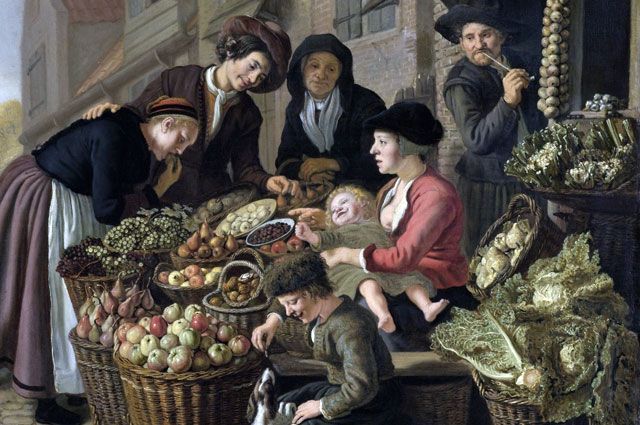
Plants have always played a crucial role in human life, providing food, medicine, materials, and aesthetic enjoyment. Yet sometimes their influence extended beyond everyday use, becoming the subject of curious and unusual stories that remained in public memory for centuries. These stories reflect not only the scientific and cultural context but also human perceptions of plants as objects of wonder, fear, or admiration.
Studying these curious cases helps us understand how humans interacted with nature, how botany developed, and what social, cultural, and even political consequences could arise from misconceptions about plants. From anecdotes like the “trial of the melon” to attempts to poison with tomatoes, plants have participated in true historical episodes.
Unexpected Discoveries and Botanical Errors
The history of botany is full of amusing or strange cases where mistakes or accidental events led to important discoveries.
Potatoes and Their Controversial Path to Europe
In the 16th century, potatoes arrived in Europe from South America, brought by Spanish conquistadors. In South America, potatoes were a staple food, but Europeans approached them with caution. Many considered them poisonous because of their relation to deadly nightshade and datura. In England and Ireland, peasants often left potatoes to rot in the fields out of fear.
An interesting case occurred in France during the reign of King Louis XVI. French botanist Antoine-Augustin Parmentier sought to convince the king and the public of the potato’s safety. He staged a public experiment, planting potato beds near royal walls and inviting peasants to observe their growth. This episode not only drew laughter and amazement but gradually helped popularize the potato as a safe and nutritious crop.
Tomatoes and the “Poisoned Apples”
Tomatoes arrived in Europe from South America in the 16th century. Their bright red fruits attracted attention but were widely regarded as dangerous. It was believed that the acid in tomatoes reacted with metal dishes, causing poisoning, so tomatoes were considered poisonous for a long time.
One of the most famous stories involves the future first president of the United States, George Washington. According to anecdote, someone tried to poison him by serving a tomato dish. Washington ate the tomatoes without harm, unaware of the plot.
Another future president, Thomas Jefferson, actively cultivated tomatoes in his garden and ate them despite public suspicion. This contrast shows how curiosity and scientific interest could overcome fear and prejudice. The story of tomatoes illustrates how public opinion influenced the perception of plants and how individual actions contributed to their cultural acceptance.
Melons and the “Trial of the Melon”
 The “trial of the melon” is another example of a curious plant story. The tale is sometimes attributed to King Henry IV of France: allegedly, he ordered a melon to be “tried” for causing a stomach upset. This absurd story illustrates not only the humor of the era but also the cultural attention given to plants as objects of social and legal discussions.
In reality, such stories highlight how symbolic the perception of food and plants could be. The melon serves as an example of how natural objects could become part of legal, literary, and social narratives.
Amusing and Unusual Interactions Between Humans and Plants
Not all curiosities involve poisoning or mistakes. Sometimes plants surprised people with unusual properties or reactions to human interaction.
Maze of Dangerous Bushes
In 17th-century England, gardener John Trevor created a maze from bushes for visitor entertainment. However, he accidentally included poisonous plants such as aconite and foxglove. Guests, playing hide-and-seek or experimenting with the plants, could get mild poisoning or burns. This case became a famous anecdote and a cautionary tale, showing that even decorative plants require careful handling and knowledge of their properties.
Mistaken Medicinal Preparations
In the 18th century, apothecaries occasionally confused different herbs. For instance, instead of valerian, they could use datura, causing unexpected hallucinations in patients. These mistakes provided amusing stories and encouraged the systematization of botanical knowledge, leading to the creation of the first pharmacopeias detailing each plant’s properties.
Unexpected Experimental Results
In the 1880s, British botanist Charles Darnell conducted experiments with rare plant seeds in a greenhouse. The wind accidentally carried seeds to a neighboring section, and plants grew in unexpected combinations. This allowed Darnell to observe cross-pollination and hybridization processes. The case combined curiosity, chance, and scientific value, demonstrating that accidental events sometimes led to significant discoveries.
Table of Curious Plant Cases
| Case | Time | Place | Description of the Curiosity | Outcome |
|---|---|---|---|---|
| Potatoes on royal beds | 16th century | France | Attempt to convince the king of potato safety | Popularization of the crop |
| Tomatoes as “poisoned apples” | 16th–17th centuries | Europe, USA | Attempt to poison Washington; Jefferson grew and ate tomatoes | Contrast of caution and experimentation |
| Trial of the melon | 17th century | France | Alleged legal trial of a melon for causing stomach upset | Historical anecdote illustrating humor and attention to plants |
| Maze with dangerous bushes | 17th century | England | Aconite and foxglove in garden maze | Lesson for gardeners on plant safety |
| Apothecaries mixing herbs | 18th century | Europe | Using datura instead of valerian | Hallucinations and accidental poisoning |
| Seed transfer by wind | 1880s | United Kingdom | Seeds carried into another experimental section | Discovery of cross-pollination principles |
Key Takeaways
-
Plant history is full of curious cases that sometimes led to scientific discoveries or cultural shifts.
-
New plants, such as potatoes, tomatoes, and melons, often provoked fear, social concerns, or legal curiosities.
-
Errors by botanists and apothecaries could produce unexpected effects and insights.
-
These curiosities demonstrate how human perceptions of nature intertwined with science, culture, and everyday life.
-
Accidental events, like seeds being carried by the wind, sometimes resulted in new scientific knowledge.
Conclusion
Curious cases with plants demonstrate that nature was never limited to practical use alone. Accidental discoveries, mistakes, and unusual stories made plants protagonists in scientific, cultural, and social episodes. Stories about potatoes, tomatoes, melons, and dangerous bushes show how plants could become objects of amusement, misunderstandings, and even legal attention.
Studying these curiosities helps better understand historical views of plants, their influence on culture, medicine, and science, and shows that human interaction with nature was always dynamic and unpredictable. These events make the history of botany not only educational but also entertaining, demonstrating that plants could be sources of surprise, laughter, and important scientific insights simultaneously.