Saffron Empires: Why Three Threads Shaped Trade, Power and Culture
February 20, 2026
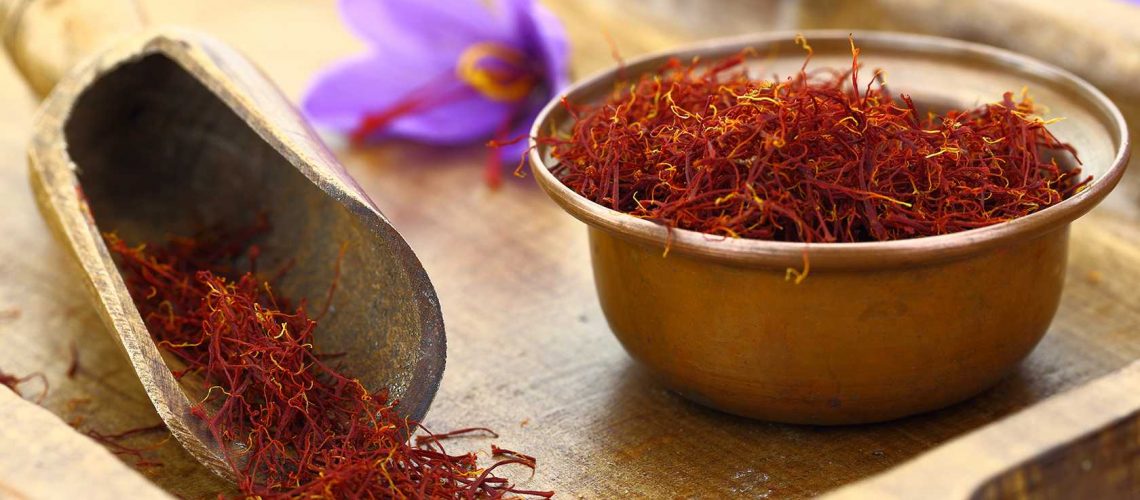
Saffron is one of the few spices whose value was shaped not only by flavor but by history. It influenced trade routes, served as a marker of status, and acquired deep spiritual meaning. Understanding its role helps explain how an agricultural product can evolve into an economic and cultural phenomenon. This topic is relevant for those interested in trade history, gastronomy, symbolism, and the mechanisms that create value.
How Biology Created an Economy of Rarity
Saffron is derived from the flower Crocus sativus. Each bloom produces only three red stigmas. To obtain one kilogram of dried saffron, hundreds of thousands of flowers must be harvested and processed by hand. The plant is sterile and reproduces only through bulbs, which means it depends entirely on human cultivation.
This biological limitation shapes an economy of scarcity. Supply is naturally restricted by yield and labor intensity, while demand has remained steady for centuries. Unlike grain or many other spices, saffron production cannot be fully mechanized.
Scarcity here is not a marketing strategy but an objective condition. The more labor and precision required, the greater the symbolic value. For this reason, saffron has long functioned as a concentrated form of wealth: lightweight, portable, and expensive.
Ancient Persia: Saffron as a Language of Power
In ancient Persia, saffron became part of political culture. It was used in aromatic oils, textiles, and beverages. Its golden hue reinforced associations with the sun and divine legitimacy.
In early societies, color and fragrance were markers of hierarchy. A palace infused with rare aromas signaled access to resources and long-distance trade. Saffron was not merely a culinary ingredient but a tool of symbolic communication.
Through Persian trade networks, saffron spread to India and the Mediterranean. It became embedded in transregional commerce, linking rural cultivation to imperial centers.
 Antiquity: Medicine, Aesthetics, and Myth
In Greece and Rome, saffron was valued in medicine, cosmetics, and cuisine. It was added to wine, used as a dye, and recommended by physicians for fatigue and melancholy.
Beyond practical uses, saffron entered mythology through the story of Crocus, transformed into a flower. The legend emphasized transformation and passion.
The spice thus became part of the cultural imagination. It connected the sensory experience of taste and scent with emotion and symbolism. This explains why its significance extended far beyond flavor.
Medieval Europe: A Strategic Commodity
During the Middle Ages, saffron gained strategic economic importance in Europe. It was cultivated in Spain, Italy, and parts of Germany. At times, its price rivaled precious metals, especially during epidemics when it was considered medicinal.
High value encouraged strict quality control. Counterfeiting was punished severely because it undermined commercial trust. Guilds and regulatory systems emerged to protect authenticity.
In certain regions, saffron cultivation supported local economies and shaped urban identity. It demonstrates how a specialized crop can influence regional development and trade structures.
India: Color as Spiritual Expression
In India, saffron acquired profound symbolic meaning. Its color became associated with renunciation and spiritual strength. Robes in saffron hues represent detachment from material life, even though the spice itself remains costly.
This apparent paradox reveals an important cultural dynamic. In one context, saffron signals luxury; in another, spiritual aspiration.
Beyond symbolism, it is widely used in cuisine and traditional medicine. It colors festive dishes and participates in ritual practices. In this setting, saffron becomes part of everyday cultural life rather than an exclusively elite product.
Gastronomy and the Display of Refinement
In contemporary cuisine, saffron is linked to dishes such as paella, risotto, and Middle Eastern sweets. It is used sparingly because its flavor is intense and easily dominates other ingredients.
Choosing saffron often signals culinary ambition. It reflects not only financial capacity but also knowledge of tradition and balance.
Here the spice functions as a social marker. Its presence suggests refinement and access to rare ingredients.
The Global Market and Modern Pressures
Today, Iran is the largest producer of saffron, with additional cultivation in Spain, India, and Morocco. Production remains vulnerable to climate conditions. Droughts and temperature shifts directly affect yields and pricing.
Growing interest in natural products sustains demand. Researchers are studying saffron’s antioxidant properties and potential influence on mood. However, large-scale expansion is constrained by biological and labor limitations.
These constraints make the market sensitive yet preserve saffron’s identity as a rare commodity.
Why Three Threads Became Imperial Symbols
Saffron’s value rests on several interconnected factors:
-
Labor-intensive harvesting
-
Limited biological yield
-
Distinctive color and aroma
-
Deep cultural symbolism
A rare product that can be seen, tasted, and displayed often becomes an instrument of status. In the past, this meant control over trade routes. Today, it may signify brand prestige or culinary expertise.
Saffron illustrates how plant biology can influence economics, politics, and culture. Three delicate threads gained symbolic power because they embodied effort, scarcity, and meaning.
Key Takeaways
-
Saffron’s high value results from biological scarcity combined with intensive manual labor.
-
Across cultures, it has functioned as a marker of status, medicine, and spiritual symbolism.
-
Medieval saffron trade contributed to the development of quality standards and regional economies.
-
Modern production remains constrained by climate and labor demands.
-
The history of saffron shows how an agricultural product can shape economic and cultural systems.
Conclusion
Saffron demonstrates how a natural limitation can generate long-term historical impact. It connects fields and palaces, religious practice and fine dining. Its value is built from labor, tradition, and symbolic resonance.
Three slender stigmas became powerful enough to represent luxury, authority, and cultural identity across centuries.