The Living Stone: Lithops and the Art of Disappearing
December 9, 2025
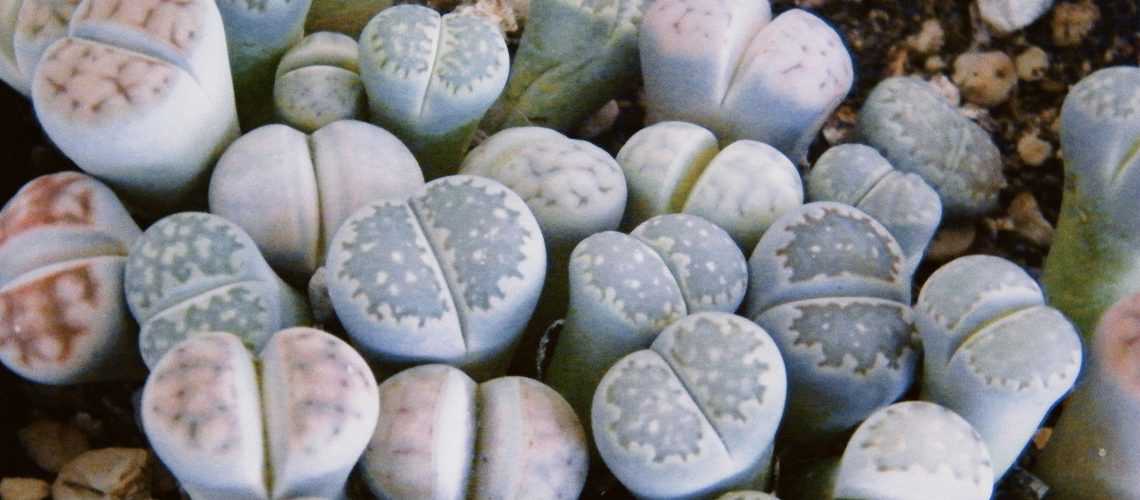
In the harsh landscapes of southern Africa, survival requires ingenuity. Among the most remarkable examples of natural adaptation is the Lithops, a succulent plant often called a “living stone.” Its unique ability to blend seamlessly with its rocky surroundings has fascinated botanists, horticulturists, and plant enthusiasts alike. Understanding Lithops illuminates the complex interplay between evolution, ecology, and human appreciation for the subtle artistry of nature.
The Origins of Lithops
Lithops belong to the family Aizoaceae and are native primarily to Namibia and South Africa. These regions are characterized by arid climates, extreme temperatures, and nutrient-poor soils.
Evolutionary Adaptation
The remarkable camouflage of Lithops is an evolutionary response to predation and environmental stress. Their stone-like appearance helps them avoid herbivores in barren landscapes. Over millions of years, selective pressures favored plants whose coloration, shape, and texture closely matched surrounding rocks.
Biodiversity and Species Variety
There are over 37 recognized species of Lithops, each with subtle variations in leaf color, pattern, and size. These differences often correspond to the specific geology and microclimate of their native habitat, highlighting the plant’s finely tuned adaptation strategies.
Morphology: How Lithops Disappears
At first glance, Lithops appears to be nothing more than a stone. A closer look reveals a sophisticated morphology designed for survival.
Leaf Structure
Lithops consist of a pair of thick, fleshy leaves fused at the base, forming a cleft where new growth and flowering occur. The leaves store water, allowing the plant to survive prolonged droughts.
Camouflage and Coloration
The upper surfaces of the leaves feature patterns and colors that mimic the surrounding pebbles and soil. This cryptic coloration not only deters herbivores but also minimizes water loss by reducing exposure to direct sunlight.
Root System
Beneath the surface, Lithops possess deep, fibrous roots that maximize water absorption. This subterranean anchoring helps stabilize the plant and provides access to scarce moisture in the soil.
The Reproductive Strategies of Lithops
Despite their inconspicuous appearance, Lithops are capable of remarkable reproductive efficiency.
Flowering and Pollination
Typically, Lithops produce daisy-like flowers that emerge from the central cleft between the leaves. Flowering is often triggered by seasonal changes, especially after summer rains. Brightly colored flowers attract pollinators such as bees, ensuring cross-pollination.
Seed Production and Dispersion
After pollination, Lithops produce seed capsules that open in response to moisture. This adaptation allows seeds to be dispersed efficiently during rare rainfall events, enhancing the plant’s chances of survival in arid environments.
Environmental Requirements and Survival Challenges
Lithops thrive under specific environmental conditions, and small deviations can significantly impact their growth.
Climate Sensitivity
Lithops are adapted to extreme temperatures but remain sensitive to prolonged humidity. Excess moisture can cause root rot, making controlled watering essential for cultivated plants.
Soil Composition
Well-draining, mineral-rich soils are crucial. In nature, Lithops grow among gravel and sand that facilitate water runoff and prevent stagnation around the roots.
Ecological Threats
Habitat destruction and illegal collection pose significant risks to wild populations. Urban expansion, mining, and overharvesting for the horticultural trade threaten the survival of some species.
Cultivation: Bringing Lithops into Homes
Lithops have become highly sought after as ornamental plants due to their unique appearance and compact size.
Indoor Growing Conditions
Successful cultivation requires mimicking natural conditions: bright, indirect sunlight, minimal water, and excellent drainage. Many enthusiasts grow Lithops in shallow containers with gravelly substrate to replicate their native environment.
Propagation Techniques
Propagation is commonly achieved through seeds. While this method requires patience, it preserves the genetic diversity of cultivated populations. Leaf propagation is less common but possible under careful conditions.
Common Challenges in Cultivation
Overwatering remains the leading cause of failure in home cultivation. Other issues include fungal infections, inappropriate light levels, and misalignment of the watering cycle with the plant’s dormancy period.
Lithops and Human Appreciation
Beyond their ecological significance, Lithops have captured human imagination in art, design, and horticulture.
Aesthetic Appeal
The subtle beauty of Lithops—its mimicry, patterns, and form—resonates with minimalism and natural aesthetics. Gardeners often cultivate collections, appreciating the variations in color and pattern across species.
Cultural and Scientific Significance
Lithops serve as educational tools in botany, illustrating principles of adaptation, survival, and evolution. Their study contributes to broader ecological knowledge and conservation awareness.
Conservation and Future Prospects
Preserving Lithops is essential both for biodiversity and for future generations of enthusiasts.
Habitat Preservation
Efforts to protect native habitats include establishing reserves, regulating mining activity, and monitoring wild populations. These measures ensure that natural populations can continue to thrive.
Sustainable Cultivation
Encouraging the cultivation of Lithops from seeds rather than wild collection reduces pressure on natural populations. Organizations and collectors increasingly advocate for responsible sourcing.
Climate Change Considerations
Rising temperatures, shifting rainfall patterns, and human encroachment pose long-term challenges. Understanding Lithops’ ecological requirements aids in predicting their resilience and planning conservation strategies.
The Broader Lessons of Lithops
Lithops exemplify the delicate balance between survival and adaptation. Their cryptic appearance is more than a botanical curiosity—it is a testament to the power of evolution, the intricacies of ecological niches, and the human fascination with nature’s ingenuity.
Camouflage as Strategy
By disappearing into their surroundings, Lithops minimize risk while optimizing resource use. This principle illustrates broader ecological strategies seen across species.
Patience and Timing
Lithops’ growth cycles and flowering demonstrate the importance of timing and adaptation to environmental rhythms, offering insights for both ecology and cultivation.
Human-Nature Connection
The careful observation and cultivation of Lithops foster an appreciation for subtlety, patience, and ecological mindfulness.
Key Takeaways
-
Lithops are succulent plants native to arid regions of southern Africa, adapted to extreme climates.
-
Their stone-like appearance is an evolutionary strategy to avoid predation and conserve water.
-
Leaf morphology, coloration, and deep root systems optimize survival in harsh environments.
-
Lithops reproduce through flowers and moisture-triggered seed dispersal, ensuring resilience in variable conditions.
-
Cultivation requires mimicking natural conditions: bright light, minimal water, and well-draining soil.
-
Overcollection and habitat destruction pose significant risks to wild populations.
-
Sustainable cultivation and conservation initiatives help preserve both biodiversity and human appreciation.
-
Studying Lithops provides broader insights into adaptation, ecological balance, and evolutionary ingenuity.
FAQ
Why are Lithops called “living stones”?
They are named for their ability to resemble the rocks among which they grow, providing camouflage against herbivores.
How often should Lithops be watered at home?
Watering should be minimal and aligned with the plant’s growth and dormancy cycles, typically only when new growth emerges.
Can Lithops survive outside their native habitat?
Yes, with careful attention to sunlight, drainage, and water, they can be cultivated indoors or in gardens with similar conditions.
What threats do Lithops face in the wild?
Habitat destruction, climate change, and illegal collection are the main threats to natural populations.
How can I propagate Lithops?
Propagation is primarily done through seeds, ensuring genetic diversity. Leaf propagation is less common and requires careful technique.
Conclusion
Lithops, the “living stones” of southern Africa, offer a window into the artistry of nature’s adaptation. From their intricate camouflage to their precise reproductive strategies, they demonstrate resilience, subtlety, and ecological intelligence. Beyond their biological significance, they inspire curiosity, patience, and appreciation for the nuanced beauty of life in extreme environments. In studying and cultivating Lithops, humans gain not only ornamental pleasure but also a deeper understanding of the interconnectedness of life and the evolutionary ingenuity that allows species to thrive against the odds.